BMX Riding
Safety warning
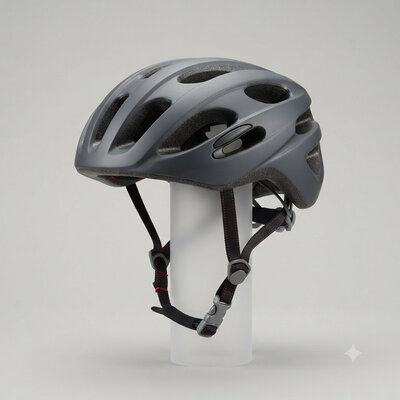
This activity is potentially dangerous and can result in serious injury or death. You take part solely at your own risk: honestly assess your health and abilities, use proper safety equipment, follow the guidance of qualified professionals and comply with local laws.
| Min number of participants | 1 |
| Age | 6+ yrs. |
| Safety support by adult | Recommended |
| Min duration | 30 min. |
| Cost | Medium |
| Environment | Indoor / Outdoor |
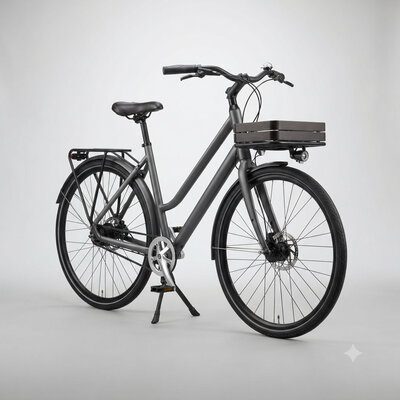
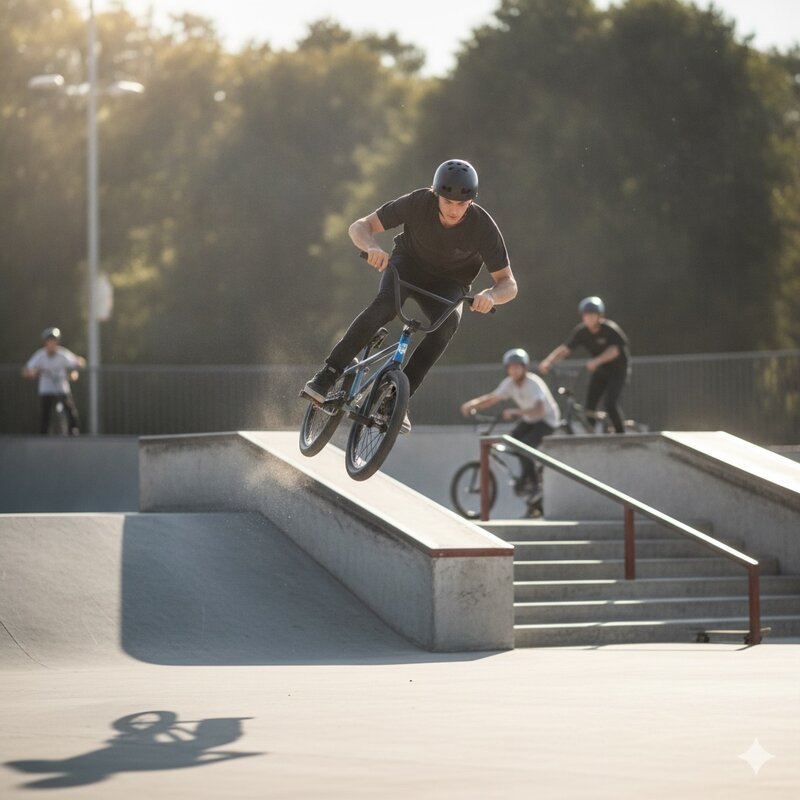
Ride a small-framed BMX bike to perform tricks on flat ground, in skate parks, or over dirt jump courses — BMX combines cycling skill with aerial creativity, ranging from simple bunny hops to complex technical lines.