Suggest a new activity

This site is protected by reCAPTCHA and the Google Privacy Policy and Terms of Service apply.

Report a bug

Optional, 1 image up to 5 MB.

This site is protected by reCAPTCHA and the Google Privacy Policy and Terms of Service apply.

Report an error in this activity

This site is protected by reCAPTCHA and the Google Privacy Policy and Terms of Service apply.

Paella Cooking

Paella Cooking

Min number of participants 1
Age 12+ yrs.
Safety support by adult Recommended
Min duration 1.5 h
Cost Medium
Environment Indoor / Outdoor

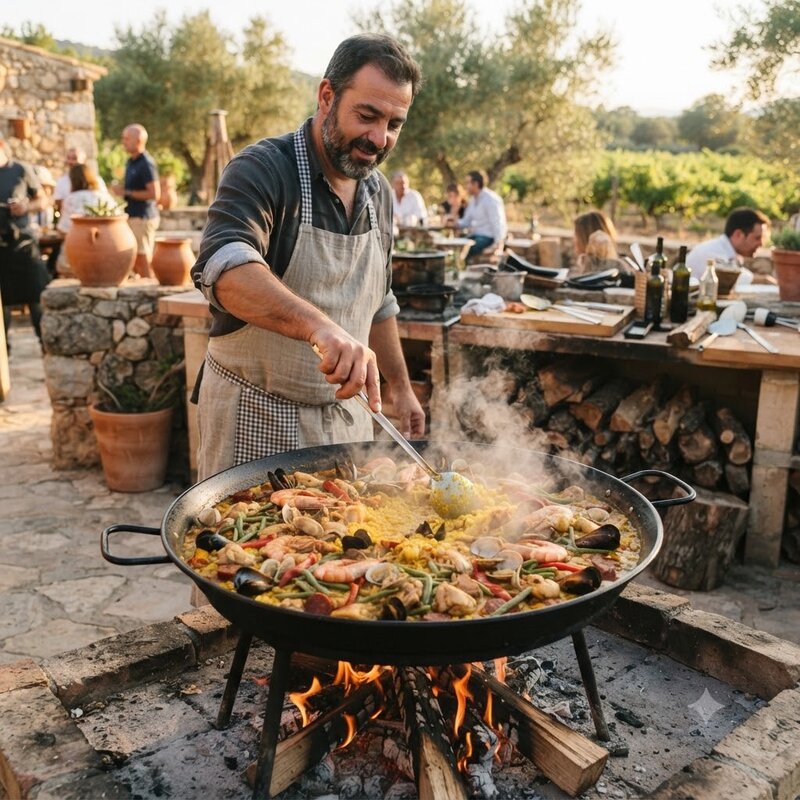
Building Spain's most iconic dish layer by layer in a wide, flat pan over open flame — toasting rice in sofrito, blooming saffron, adding stock in one pour, and resisting the urge to stir until the coveted socarrat forms.
The Essentials

Rules

  • Never stir the rice once the liquid has been added, since paella is meant to cook undisturbed so the rice absorbs stock evenly and the bottom develops the prized socarrat (crispy caramelized layer).
  • Spread the rice in a single even layer across the pan, since piling it up causes uneven cooking, with some grains mushy and others still hard.
  • Use a wide, shallow paella pan rather than a deep pot, since the large surface area is essential for even heat distribution and proper liquid evaporation.
  • Measure the rice-to-liquid ratio carefully (typically about 1:3 for paella rice), since too much liquid makes the rice soggy while too little leaves it undercooked.

Tips

  • Toast the rice briefly in the sofrito (the onion, tomato, and garlic base) before adding liquid, since this step helps the grains hold their shape and absorb flavor more evenly.
  • Let the paella rest for a few minutes off the heat before serving, since this allows the rice to finish absorbing any remaining liquid and settle for the best texture.
  • Resist the urge to cover the pan while it cooks, since paella is traditionally cooked uncovered to let excess liquid evaporate at the right rate.
  • Listen for the crackling sound near the end of cooking, since it signals the socarrat forming at the bottom and tells you when to remove the pan from the heat.
Activities

Similar activities (see all)

Report an error in this activity

This site is protected by reCAPTCHA and the Google Privacy Policy and Terms of Service apply.

Cardboard Boat Building

Cardboard Boat Building

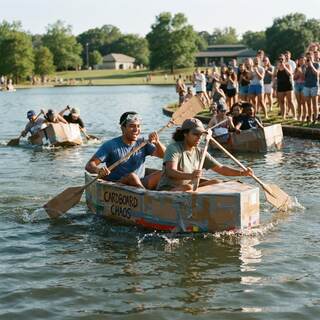
Teams design and build a boat from cardboard and tape alone, then race it across a pool or lake to see whose engineering — and waterproofing — holds up best.

Report an error in this activity

This site is protected by reCAPTCHA and the Google Privacy Policy and Terms of Service apply.

Mushroom Growing

Mushroom Growing

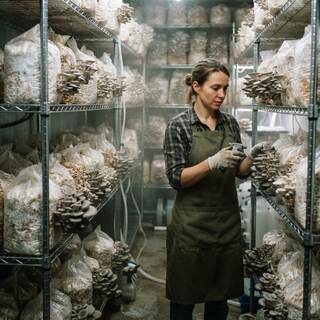
Inoculate grain spawn logs or grow bags with mushroom mycelium — oyster, shiitake, or lion's mane — and tend them through pinning and fruiting until you harvest a meal's worth of home-grown fungi.

Report an error in this activity

This site is protected by reCAPTCHA and the Google Privacy Policy and Terms of Service apply.

Pumpkin Carving

Pumpkin Carving

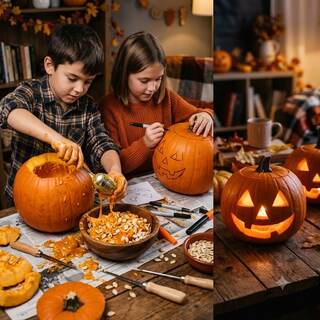
Scooping out the slimy seeds from a pumpkin, sketching a face onto the skin, then carving it out with special tools to make a glowing jack-o'-lantern — a seasonal craft tradition that's equal parts messy, creative, and fun for every age.