Suggest a new activity

This site is protected by reCAPTCHA and the Google Privacy Policy and Terms of Service apply.

Report a bug

Optional, 1 image up to 5 MB.

This site is protected by reCAPTCHA and the Google Privacy Policy and Terms of Service apply.

Report an error in this activity

This site is protected by reCAPTCHA and the Google Privacy Policy and Terms of Service apply.

Mountain Biking

Mountain Biking

Min number of participants 1
Age 10+ yrs.
Safety support by adult Recommended
Min duration 1 h
Cost Medium
Environment Outdoor

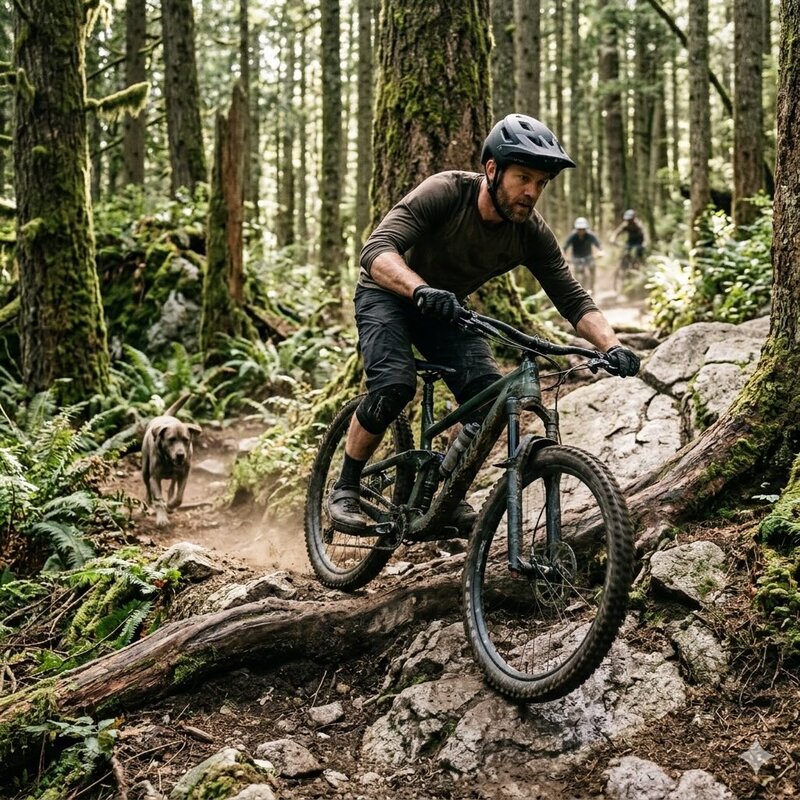
Ride technical trails, navigate roots and rocks, and feel the flow of singletrack through forests and hills — mountain biking builds fitness, bike handling, and a fearless relationship with varied outdoor terrain.

The Essentials

Rules

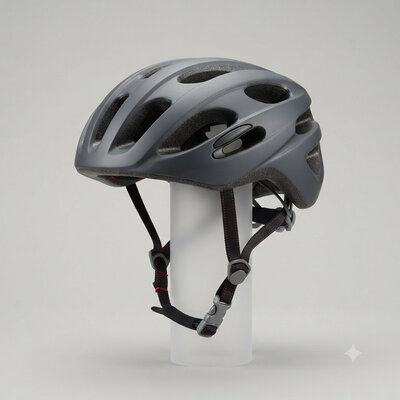
  • Always wear a properly fitted helmet, since head injuries are the most common serious risk from falls on technical terrain.
  • Yield to uphill riders and hikers on shared trails; the rider going downhill typically has more control and should stop or move aside.
  • Stay on marked trails and respect trail closures, since riding on closed or eroding trails causes environmental damage and can lead to trail access being revoked.
  • Announce yourself when approaching other trail users from behind, since silent bikes on narrow trails can startle people.
  • Match your trail choice to your actual skill level, not your aspirational one, since trails are typically rated by difficulty for good reason.

Tips

  • Check tire pressure before every ride, since it significantly affects both traction and pinch-flat risk on rocky terrain.
  • Look ahead on the trail rather than directly at obstacles, since where you look tends to be where the bike goes.
  • Keep your weight low and centered, with elbows and knees slightly bent, to absorb bumps and maintain control on rough terrain.
  • Carry a basic repair kit (spare tube, pump, multi-tool) and know how to use it, since mechanical failures far from the trailhead are common and inconvenient without preparation.
  • Build skills gradually on progressively harder terrain rather than jumping straight to advanced trails, since this reduces injury risk and builds technique faster in the long run.

What You Need

Activities

Similar activities (see all)

Report an error in this activity

This site is protected by reCAPTCHA and the Google Privacy Policy and Terms of Service apply.

High risk
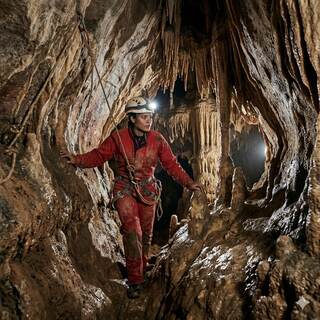
Caving

Caving

Explore natural cave systems underground — squeezing through passages, abseiling into chambers, and navigating by headtorch through formations of stalactites and stalagmites — caving accesses landscapes almost no one else ever sees.

Report an error in this activity

This site is protected by reCAPTCHA and the Google Privacy Policy and Terms of Service apply.

High risk
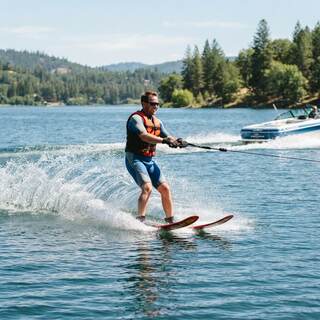
Water Skiing

Water Skiing

Grip the tow rope, get pulled up onto skis by a speedboat, and carve across the wake — water skiing rewards balance, leg strength, and timing with a rush of speed skimming over open water.

Report an error in this activity

This site is protected by reCAPTCHA and the Google Privacy Policy and Terms of Service apply.

High risk
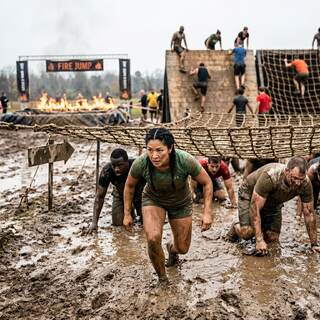
Obstacle Course Racing

Obstacle Course Racing

Compete across kilometres of mud, walls, fire, ice water, and cargo nets in events like Spartan Race or Tough Mudder — OCR is the ultimate test of functional fitness, combining running endurance with climbing, crawling, and carrying challenges.