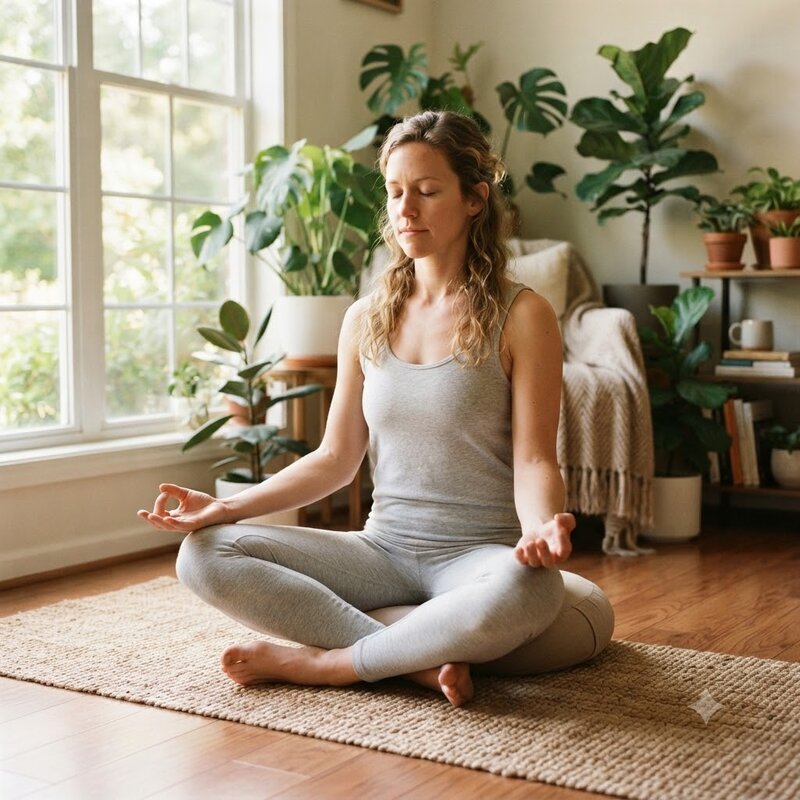
Practice sitting or lying down in a safe, quiet space rather than while driving or operating machinery, since many breathwork techniques deliberately alter blood oxygen and carbon dioxide levels and can cause lightheadedness or tingling that make those activities unsafe. Start with slow, gentle techniques like box breathing before trying intense styles like holotropic or Wim Hof breathing, since the body needs time to adapt to breath-holding and rapid breathing, and jumping straight to advanced techniques increases the risk of fainting. Exhale for longer than you inhale when the goal is calming down, since a longer exhale activates the parasympathetic nervous system, while equal or shorter exhales tend to be more stimulating and can leave you feeling wired rather than relaxed. Never practice intense breathing techniques in water or right before swimming, since breath-holding practices can cause a blackout that is extremely dangerous in or near water, and this combination has caused real drownings. Stop immediately if you feel severe dizziness, chest pain, or panic, since mild tingling or lightheadedness is common in some techniques but sharp pain or fainting is a sign to return to normal breathing right away. Keep sessions short when you're new to breathwork, around 5 to 10 minutes, since building tolerance gradually prevents the overwhelm and hyperventilation that long first sessions commonly trigger.