Suggest a new activity

This site is protected by reCAPTCHA and the Google Privacy Policy and Terms of Service apply.

Report a bug

Optional, 1 image up to 5 MB.

This site is protected by reCAPTCHA and the Google Privacy Policy and Terms of Service apply.

Report an error in this activity

This site is protected by reCAPTCHA and the Google Privacy Policy and Terms of Service apply.

Orienteering

Orienteering

Min number of participants 1
Age 8+ yrs.
Safety support by adult Recommended
Min duration 1 h
Cost None (Free)
Environment Outdoor

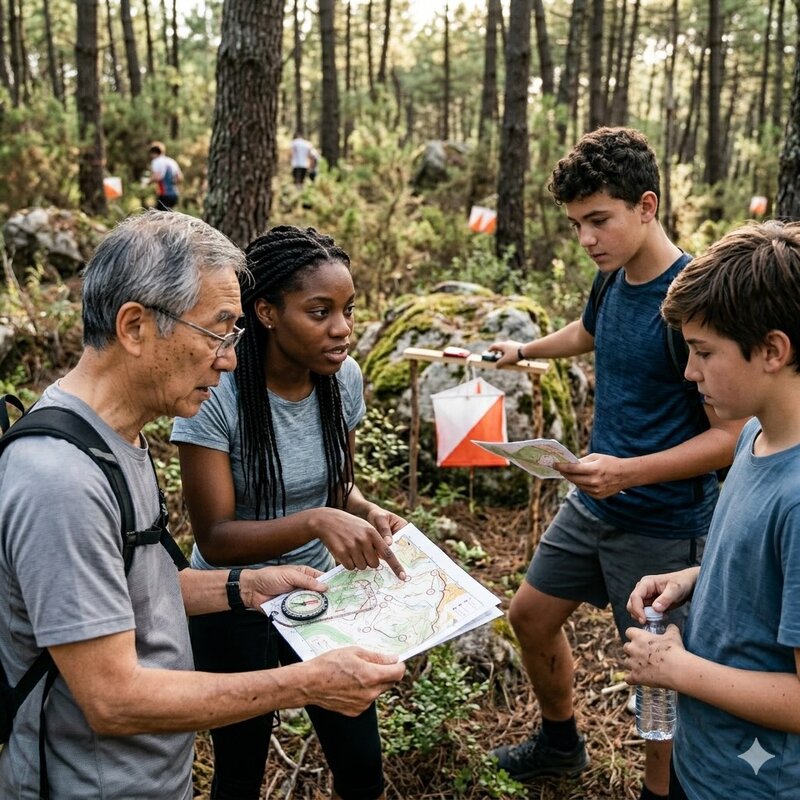
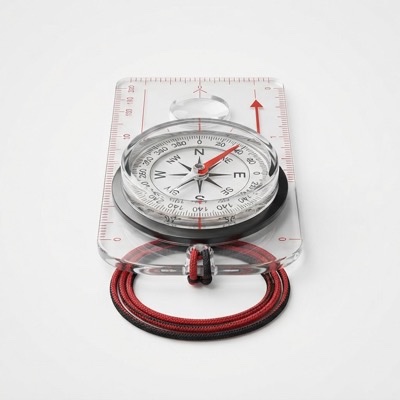
Navigate through unfamiliar terrain using only a map and compass to locate checkpoints in sequence — orienteering sharpens map-reading and decision-making while combining physical fitness with a genuine race against the clock.
The Essentials

Rules

  • Punch or scan every control point in the correct sequence, since most orienteering formats disqualify a run if a control is missed or visited out of order, even if the total time is fast.
  • Stay within the marked course boundaries and respect any out-of-bounds areas, since these often protect fragile terrain, private property, or hazardous zones.
  • Carry the required safety whistle if the event mandates one, since it's the standard way to signal distress in courses that cross remote or wooded terrain.
  • Report to the finish or organizers even if you retire mid-course, since organizers need to account for every registered participant to know the course is clear.

Tips

  • Orient the map to match the terrain (align north on the map with actual north) before you start moving, since a misaligned map makes every subsequent decision harder and compounds errors.
  • Use "handrails" like streams, fences, or trails to guide your general direction between controls, since following linear features is far more reliable than trying to walk a precise compass bearing through featureless terrain.
  • Read the terrain ahead rather than staring at the map while walking, since constantly stopping to check the map wastes far more time than occasional map checks paired with active terrain observation.
  • Practice "thumbing" the map (keeping your thumb on your current position as you move), since this keeps you oriented and prevents the common mistake of losing your place after folding or repositioning the map.
  • Start with beginner (white or yellow) courses even if you're generally fit and experienced in other sports, since orienteering's map-reading skill takes real practice regardless of physical fitness.

What You Need

Activities

Similar activities (see all)

Report an error in this activity

This site is protected by reCAPTCHA and the Google Privacy Policy and Terms of Service apply.

Puzzle Piece Relay

Puzzle Piece Relay

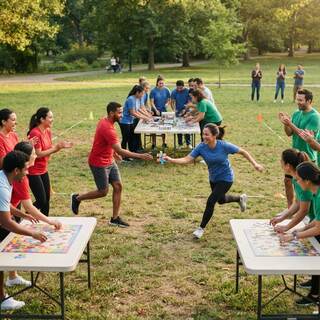
Teams sprint one at a time to a distant table, grab a single jigsaw piece, and race back so the next runner can go — first team to assemble the whole puzzle wins.

Report an error in this activity

This site is protected by reCAPTCHA and the Google Privacy Policy and Terms of Service apply.

Bicycle Treasure Hunt

Bicycle Treasure Hunt

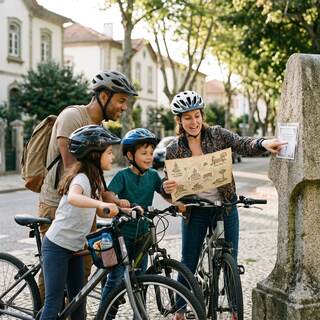
Design a route around the neighbourhood with clues hidden at local landmarks — riders follow the trail on their bikes, combining exercise, problem-solving, and a sense of neighbourhood adventure.

Report an error in this activity

This site is protected by reCAPTCHA and the Google Privacy Policy and Terms of Service apply.

Shrinking Island Game

Shrinking Island Game

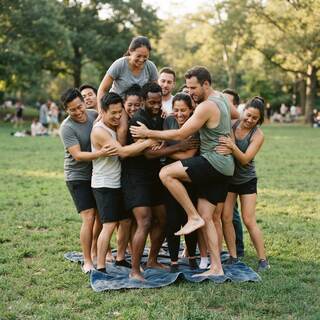
The whole team must stand together on a shrinking sheet or towel, folded smaller after every round, forcing everyone to get creative about balance and teamwork to stay on board.