Suggest a new activity

This site is protected by reCAPTCHA and the Google Privacy Policy and Terms of Service apply.

Report a bug

Optional, 1 image up to 5 MB.

This site is protected by reCAPTCHA and the Google Privacy Policy and Terms of Service apply.

Report an error in this activity

This site is protected by reCAPTCHA and the Google Privacy Policy and Terms of Service apply.

Coding for Kids

Coding for Kids

Min number of participants 1
Age 6–9 yrs.
Safety support by adult Not required
Min duration 30 min.
Cost None (Free)
Environment Indoor

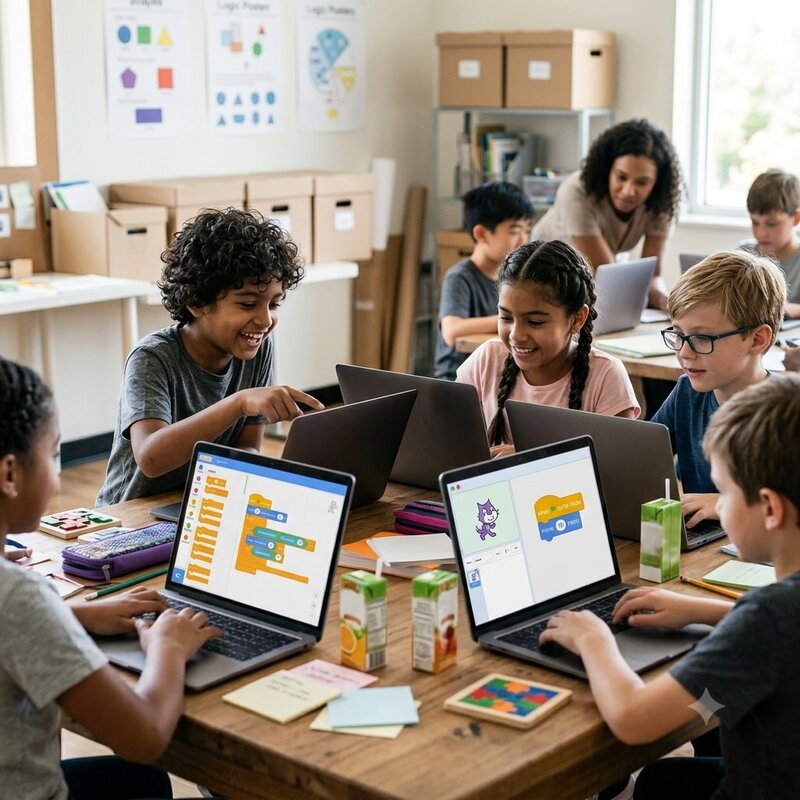
Write first programs using visual block coding or beginner-friendly tools like Scratch — learning to code builds logical thinking, creativity, and problem-solving skills through fun game-making and animation projects.
The Essentials

Getting started

  1. Start with Scratch (scratch.mit.edu), a free block-based tool designed for ages 8+ — no reading fluency in a programming language is needed, since code is built by snapping together labeled blocks.
  2. Follow a guided starter project (Scratch has built-in tutorials) to make a sprite move, react to a key press, or say something — this teaches the core idea of instructions running in order before anything more complex.
  3. Build a tiny animation or simple game (a cat chasing a mouse, a maze to escape) — having a concrete goal keeps kids motivated far more than open-ended exploring.
  4. Introduce loops ("repeat 10 times") and conditionals ("if touching edge, bounce") once basic sequencing feels comfortable — these are the two building blocks every later language reuses.
  5. Share the finished project on the Scratch community site or with family — seeing something they built actually run is what makes the activity stick.

Good to know

  • No installation is required — Scratch runs entirely in a web browser.
  • For kids under 8, block-based apps like ScratchJr (tablet-only, no reading required) or unplugged activities (coding board games, code-writing without a screen) work better than text-heavy tools.
  • Sessions of 20-30 minutes hold attention better than long stretches — frequent short sessions build skill faster than occasional long ones.

What You Need

Activities

Similar activities (see all)

Report an error in this activity

This site is protected by reCAPTCHA and the Google Privacy Policy and Terms of Service apply.

Mysterium

Mysterium

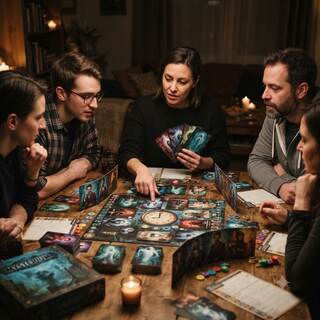
One player is a silent ghost sending cryptic dream-card visions to psychic investigators who must identify the correct suspect, location, and weapon that led to the ghost's murder.

Report an error in this activity

This site is protected by reCAPTCHA and the Google Privacy Policy and Terms of Service apply.

DIY Escape Room Challenge

DIY Escape Room Challenge

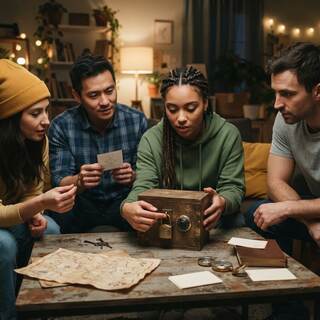
Hide a chain of homemade riddles, locks, and clues around a room, then split into teams to race the clock solving them in order — a budget-friendly way to run your own escape room without booking a venue.

Report an error in this activity

This site is protected by reCAPTCHA and the Google Privacy Policy and Terms of Service apply.

Tokaido

Tokaido

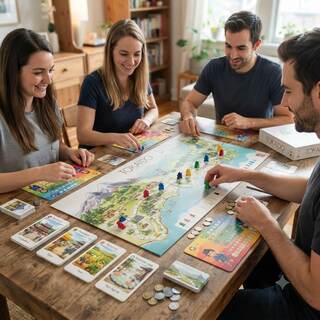
Travel the ancient Tokaido road from Kyoto to Edo, stopping at inns, hot springs, temples, and panoramas to collect encounters and score the most diverse and fulfilling journey.