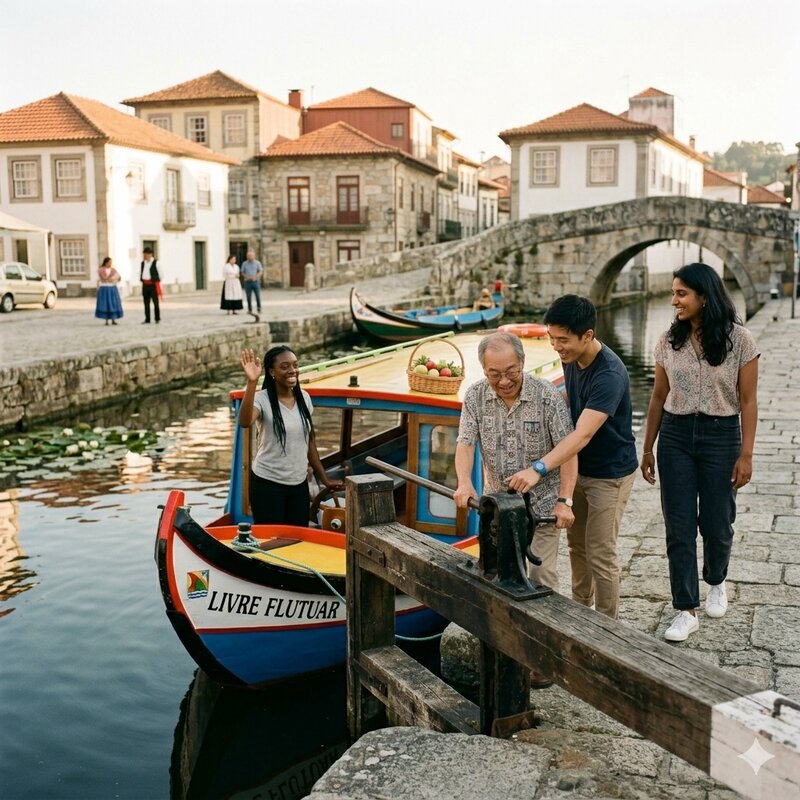
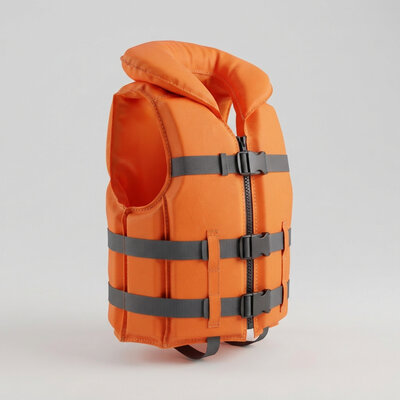
Keep the boat's speed low enough that it doesn't create a large wake, since a big wake erodes the canal banks over time and can rock moored boats hard enough to damage them or knock people off their feet. Approach locks slowly and follow the lock keeper's or posted instructions exactly rather than improvising, since canal locks operate under real water pressure, and rushing or skipping steps can flood the chamber unevenly and damage both your boat and the lock gates. Keep a firm footing and hold the boat's rail or grab points when moving around the deck, since canal boats sit low and narrow, and unlike wider leisure boats they can tip a person off balance more easily on a slick or wet deck. Give way to boats going downhill through a lock or already committed to a narrow stretch, since canal etiquette generally favors the boat already in a maneuver, and cutting in front causes collisions in tight channels. Turn off the engine and secure mooring lines properly before stepping off the boat, since an unsecured boat can drift away from the bank the moment weight shifts off it, leaving you stranded on the towpath. Check the specific speed limit and any local canal rules before setting off, since limits vary between canals and are enforced partly to prevent damage to historic infrastructure that's often centuries old.