Suggest a new activity

This site is protected by reCAPTCHA and the Google Privacy Policy and Terms of Service apply.

Report a bug

Optional, 1 image up to 5 MB.

This site is protected by reCAPTCHA and the Google Privacy Policy and Terms of Service apply.

Report an error in this activity

This site is protected by reCAPTCHA and the Google Privacy Policy and Terms of Service apply.

Natural Dyeing

Natural Dyeing

Min number of participants 1
Age 10+ yrs.
Safety support by adult Recommended
Min duration 1.5 h
Cost Low
Environment Indoor / Outdoor

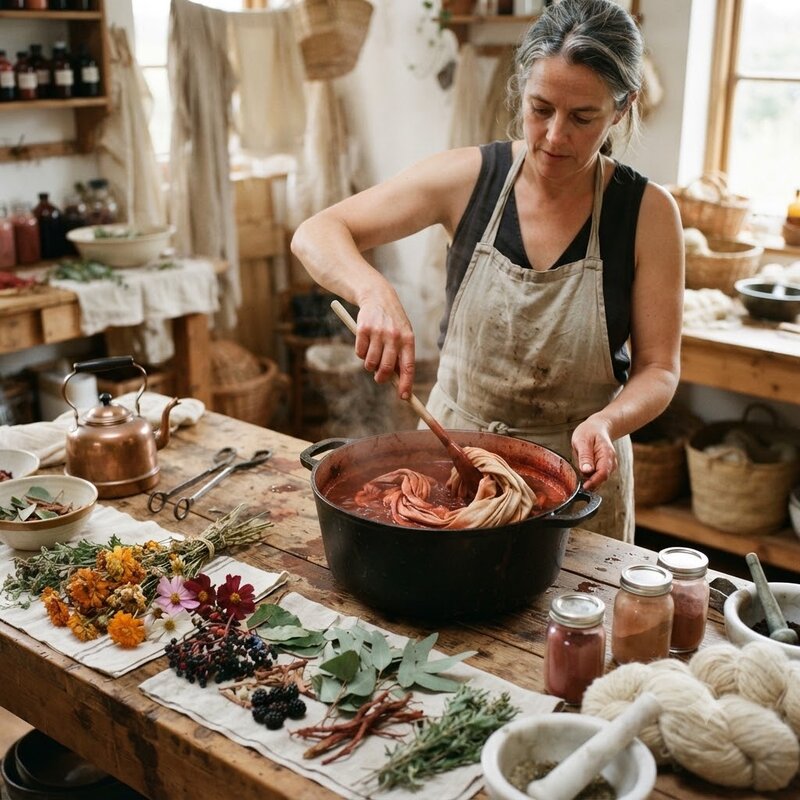
Prepare plant-based dye baths from onion skins, indigo leaves, walnuts, or madder root and immerse fabric or yarn to achieve rich, earthy tones that shift as you experiment with mordants and layering.

The Essentials

Steps

  1. Scour the fabric first by washing it in hot water with a small amount of soda ash or pH-neutral detergent, since factory finishes and oils on new fabric block dye from bonding evenly.
  2. Mordant the fabric with alum (or another appropriate mordant for your fiber type) before dyeing, since most plant dyes won't bond permanently to fiber without a mordant and will wash out or fade quickly.
  3. Simmer your dye material (e.g., onion skins, avocado pits, marigolds) in water for 30-60 minutes to extract the color, then strain out the solids before adding fabric.
  4. Add the pre-mordanted, wet fabric to the strained dye bath and simmer gently (not boiling) for 30-60 minutes, stirring occasionally for even color.
  5. Let the fabric cool in the dye bath for deeper, more even color absorption, then rinse in cool water until the water runs clear.
  6. Dry the fabric out of direct sunlight, since natural dyes can be more prone to UV fading than synthetic ones, especially in the first few weeks after dyeing.

Tips

  • Use plant material at roughly equal weight to your fabric (dye-to-fiber ratio close to 1:1) for strong, saturated colors, since natural dyes are much less concentrated than synthetic ones.
  • Weigh your fabric dry before starting so you can calculate correct mordant and dye material quantities, since natural dyeing recipes are typically given as a percentage of fiber weight.
  • Test on fabric scraps before committing a full garment, since the same dye material can produce different shades depending on your water's mineral content and the fabric's fiber type.
  • Use plant fibers like cotton and linen with tannin-based mordants and animal fibers like wool and silk with alum, since fiber type significantly affects how well a mordant binds.
  • Save your exhausted dye baths for lighter, secondary dyeing runs, since plant dyes often retain enough pigment for a pastel-toned second batch.
Activities

Similar activities (see all)

Report an error in this activity

This site is protected by reCAPTCHA and the Google Privacy Policy and Terms of Service apply.

Nursery Rhymes & Songs

Nursery Rhymes & Songs

Singing traditional rhymes, lullabies, and action songs to entertain baby while naturally introducing rhythm, language patterns, and the earliest foundations of literacy and music.

Report an error in this activity

This site is protected by reCAPTCHA and the Google Privacy Policy and Terms of Service apply.

Jam Making

Jam Making

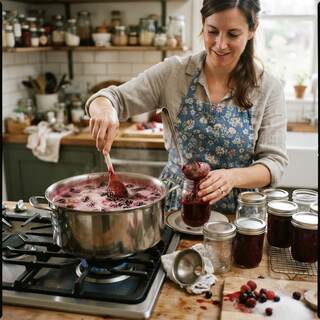
Cook and jar seasonal fruit preserves together, experimenting with flavor combinations, pectin levels, and sweetness balance until you achieve the perfect set and a pantry full of homemade preserves.

Report an error in this activity

This site is protected by reCAPTCHA and the Google Privacy Policy and Terms of Service apply.

Vinegar Making

Vinegar Making

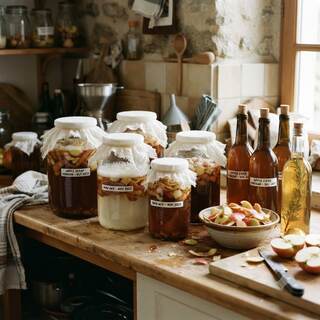
Fermenting wine, cider, or beer with a live vinegar mother to slowly produce flavoured artisan vinegars at home — a meditative long-term project that turns leftovers into something remarkable.