Outdoor intellectual activities
375 activities found

Philosophy Club
Meet regularly with a group to read and debate philosophical texts — from ancient Stoics to contemporary ethics — philosophy clubs build rigorous thinking, careful argumentation, and the ability to question assumptions you've never thought to examine.
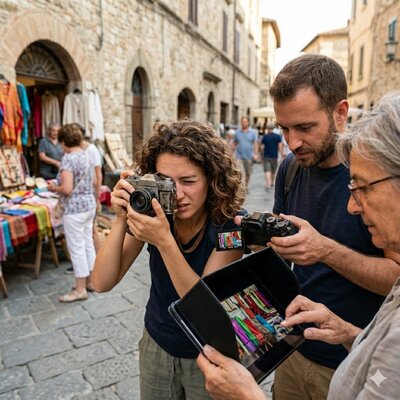
Photography
Compose a shot, find the light, and capture meaningful moments from your own perspective — photography develops visual creativity, attention to detail, and a lasting personal record of the world around you.

Improv Comedy
Perform unscripted scenes with a partner or ensemble by accepting every offer, building on each line, and committing fully to wherever the story goes — improv sharpens quick thinking, active listening, and the ability to recover from the unexpected.
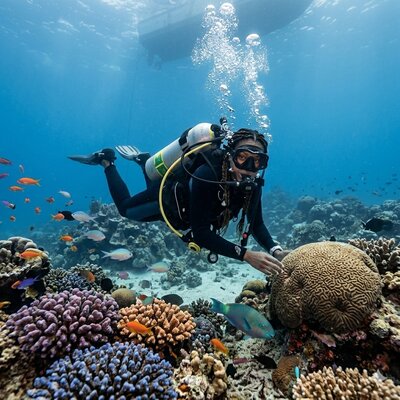
Scuba Diving
Breathe underwater via a tank and regulator as you explore coral reefs, wrecks, and marine habitats — scuba diving opens up a silent, weightless world of colour and life that can only be reached by going below the surface.

Seed Planting
Fill a pot with soil, press in a seed, water it, and watch life emerge day by day — growing plants teaches patience and responsibility while connecting children to the natural world.

Simple Board Games
Roll dice, draw cards, and race to the finish in beginner-friendly family games — a fun way to teach young children turn-taking, colour matching, counting, and the joy of playing together.

Simple Science Experiments
Mix baking soda and vinegar, grow salt crystals, or make slime from household ingredients — hands-on kitchen science that answers every 'what happens if…?' question and makes the world genuinely exciting.

Slam Poetry
Write and perform original poems before a live audience with expressive voice, rhythm, and emotion — slam poetry is competitive spoken-word performance where delivery matters as much as content, giving poets a powerful public platform.
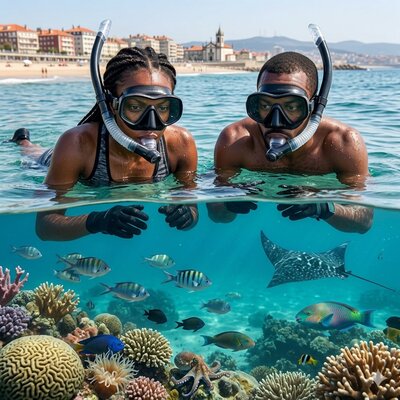
Snorkeling
Float face-down on the surface wearing a mask and snorkel to watch marine life beneath you — snorkeling is an easy entry into underwater exploration that reveals coral reefs, fish, and sea creatures in vivid detail.