Suggest a new activity

This site is protected by reCAPTCHA and the Google Privacy Policy and Terms of Service apply.

Report a bug

Optional, 1 image up to 5 MB.

This site is protected by reCAPTCHA and the Google Privacy Policy and Terms of Service apply.

Report an error in this activity

This site is protected by reCAPTCHA and the Google Privacy Policy and Terms of Service apply.

Map Reading and Navigation

Map Reading and Navigation

Min number of participants 2
Age 6+ yrs.
Safety support by adult Not required
Min duration 1 h
Cost None (Free)
Environment Outdoor

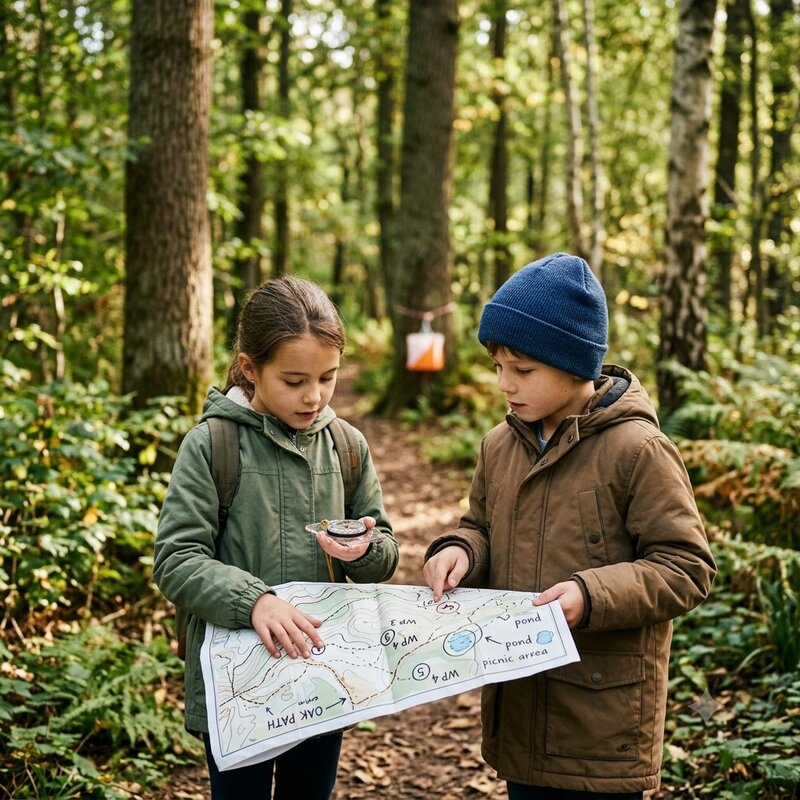
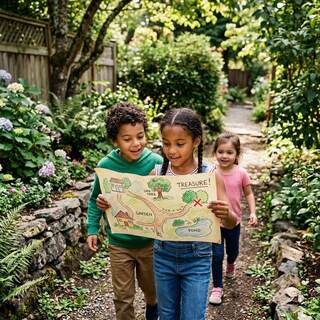
Hand children a printed map of a local park or wood, give them a compass, and challenge them to navigate to waypoints without GPS — a confidence-building outdoor skill that teaches geography and independence.
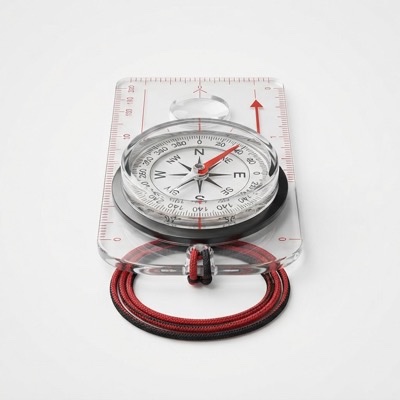
The Essentials

Steps

  1. Orient your map by aligning it with true north, using a compass or landmarks you can identify in both the map and the real world.
  2. Identify your current location on the map using nearby landmarks, trail junctions, or terrain features like ridgelines and water bodies.
  3. Take a compass bearing to your destination, then adjust for magnetic declination if your map uses true north instead of magnetic north.
  4. Plan your route by tracing it on the map, noting elevation changes, water crossings, and any potential hazards along the way.
  5. Check your position periodically against the map as you travel, using landmarks to confirm you're still on course.
  6. Practice pace counting or timing yourself over a known distance beforehand, so you can estimate distance travelled when landmarks are scarce.

Tips

  • Learn to read contour lines before your trip, since they show elevation and terrain shape that photos or satellite views can't convey as clearly.
  • Carry a physical map and compass as backup even if you use a GPS device or phone app, since batteries die and signal can be unreliable in remote areas.
  • Practice basic navigation skills on familiar, low-stakes terrain before relying on them somewhere remote or unfamiliar.
  • Keep your map protected from rain and wear with a waterproof case or laminate, since a soaked or torn map becomes unreadable exactly when you need it most.
  • Tell someone your planned route and expected return time before heading out, since this makes rescue easier if you get lost or injured.

What You Need

Activities

Similar activities (see all)

Report an error in this activity

This site is protected by reCAPTCHA and the Google Privacy Policy and Terms of Service apply.

Treasure Map Making

Treasure Map Making

Draw a map of your garden or neighbourhood, hide a small prize, mark it with an X, and let children follow the clues to find it — a timeless adventure activity that builds spatial thinking.

Report an error in this activity

This site is protected by reCAPTCHA and the Google Privacy Policy and Terms of Service apply.

Shrinking Island Game

Shrinking Island Game

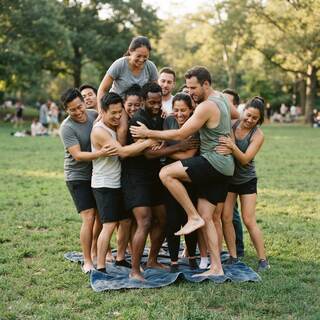
The whole team must stand together on a shrinking sheet or towel, folded smaller after every round, forcing everyone to get creative about balance and teamwork to stay on board.

Report an error in this activity

This site is protected by reCAPTCHA and the Google Privacy Policy and Terms of Service apply.

Human Knot

Human Knot

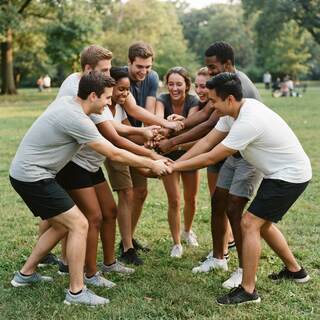
Stand in a circle, grab two different people's hands across the group, then work together to untangle the resulting knot without letting go — a hands-on communication and teamwork puzzle.