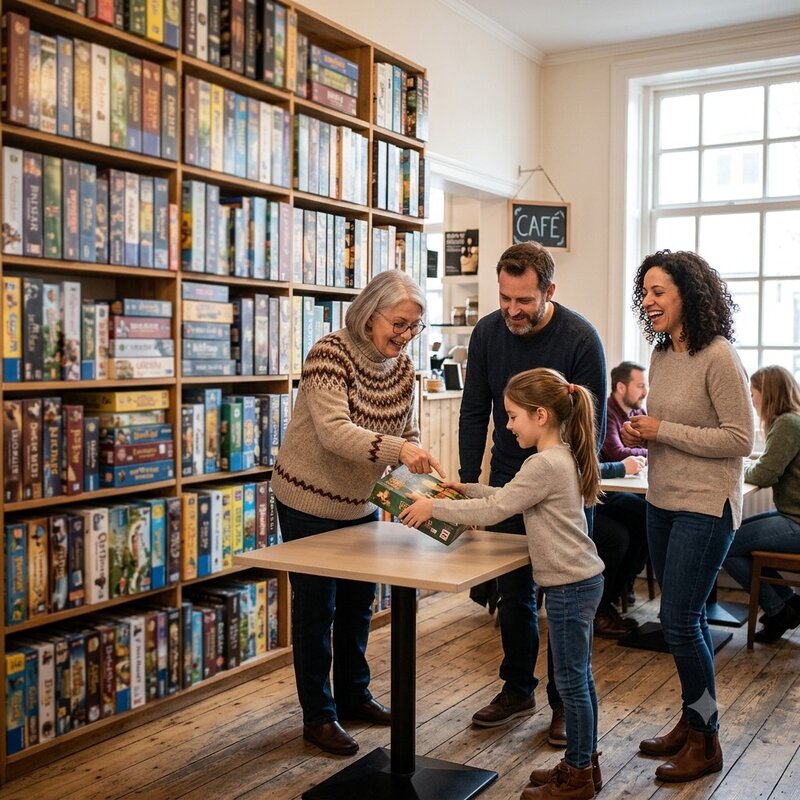
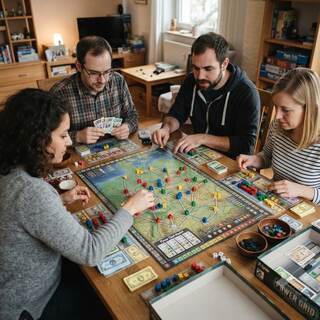
Check whether the cafe charges a cover fee, a per-hour rate, or requires a food or drink minimum purchase before you arrive, since pricing models vary widely between cafes and showing up unprepared can lead to an unexpectedly high bill. Ask staff for a recommendation based on your group size and experience level rather than picking a game off the shelf yourself, since most cafes organize their library roughly by complexity and staff usually know which titles work well for the number of players you have. Book a table in advance for weekend evenings, since popular board game cafes fill up quickly and walk-ins often face long waits during peak hours. Read the box or ask staff to confirm a game's playtime before starting, since board games can range from fifteen minutes to several hours, and starting a long game late in your visit means either rushing the ending or leaving it unfinished. Return games to their designated shelf spot exactly as found, since mixed-up components and misplaced game boxes make it harder for staff to keep the collection organized and for the next group to find a complete set. Order food or drinks periodically throughout your visit rather than only at the start, since most cafes rely on that ongoing revenue to sustain the space, and it's part of what allows them to keep loaning out expensive games for hours at a time.