Suggest a new activity

This site is protected by reCAPTCHA and the Google Privacy Policy and Terms of Service apply.

Report a bug

Optional, 1 image up to 5 MB.

This site is protected by reCAPTCHA and the Google Privacy Policy and Terms of Service apply.

Report an error in this activity

This site is protected by reCAPTCHA and the Google Privacy Policy and Terms of Service apply.

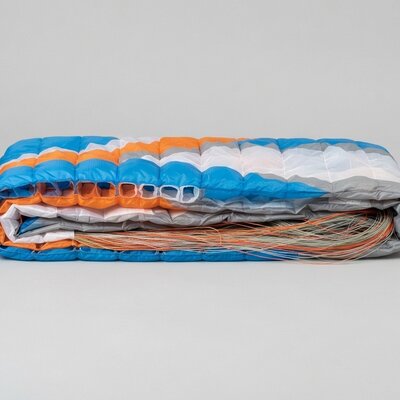
Paragliding

Paragliding

Min number of participants 1
Age 16+ yrs.
Safety support by adult Required
Min duration 1 h
Cost High
Environment Outdoor

Run off a hillside into a fabric wing and soar on rising air currents for minutes or hours — paragliding offers the closest sensation to unaided human flight, with tandem options for beginners and solo courses for those ready to fly independently.
The Essentials

Rules

  • Always fly with a certified tandem pilot or complete recognized training before attempting solo flight, since paragliding requires understanding of wind, weather, and launch technique that takes real instruction to learn safely.
  • Check weather conditions and wind speed before every flight and never launch in conditions exceeding your skill level or the site's rated limits, since sudden gusts or turbulence are the leading cause of paragliding accidents.
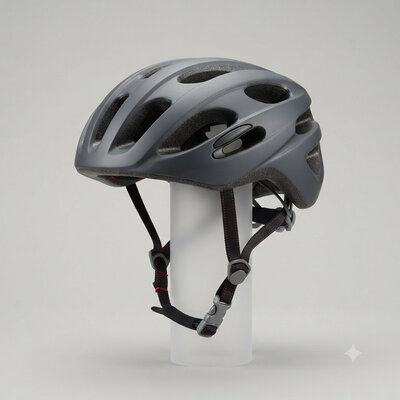
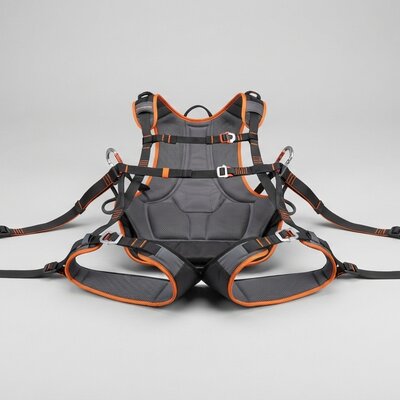
  • Wear a properly fitted harness and helmet on every flight, since a poorly adjusted harness can shift during flight and a helmet is essential protection during launch, landing, or an unexpected collision.
  • Inspect your glider, lines, and reserve parachute before each flight, since worn or tangled lines can fail under load and an unpacked reserve won't deploy properly in an emergency.

Tips

  • Choose calm, early morning conditions for your first flights, since thermals and wind typically build throughout the day and morning air is usually smoother and more predictable.
  • Learn to read the wind by watching flags, trees, and other pilots before you launch, since site conditions can shift quickly and visual cues often reveal changes before your instruments do.
  • Practice ground handling (kiting the wing on the ground) extensively before flying, since this builds the reflexes and glider control you need for a smooth, controlled launch.
  • Fly with an experienced pilot or club when moving beyond tandem flights, since local pilots know site-specific hazards, thermal patterns, and safe landing zones that aren't obvious to newcomers.

Country-specific info

What You Need

Activities

Similar activities (see all)

Report an error in this activity

This site is protected by reCAPTCHA and the Google Privacy Policy and Terms of Service apply.

High risk
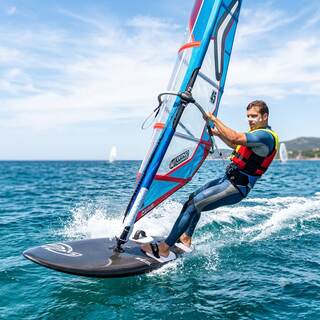
Windsurfing

Windsurfing

Stand on a board and control a sail attached to it, using wind and body weight to steer across water at speed — windsurfing demands balance, physical strength, and wind-reading skill, giving you the feeling of harnessing the elements directly.

Report an error in this activity

This site is protected by reCAPTCHA and the Google Privacy Policy and Terms of Service apply.

High risk
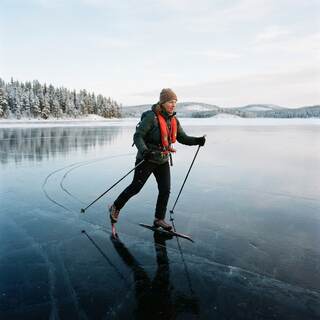
Nordic Ice Skating

Nordic Ice Skating

Strap on long-bladed touring skates and glide for miles across wild, black lake ice — Nordic ice skating turns frozen wilderness into an open-ended trail, rewarding endurance, ice-reading skill, and a taste for adventure.

Report an error in this activity

This site is protected by reCAPTCHA and the Google Privacy Policy and Terms of Service apply.

High risk
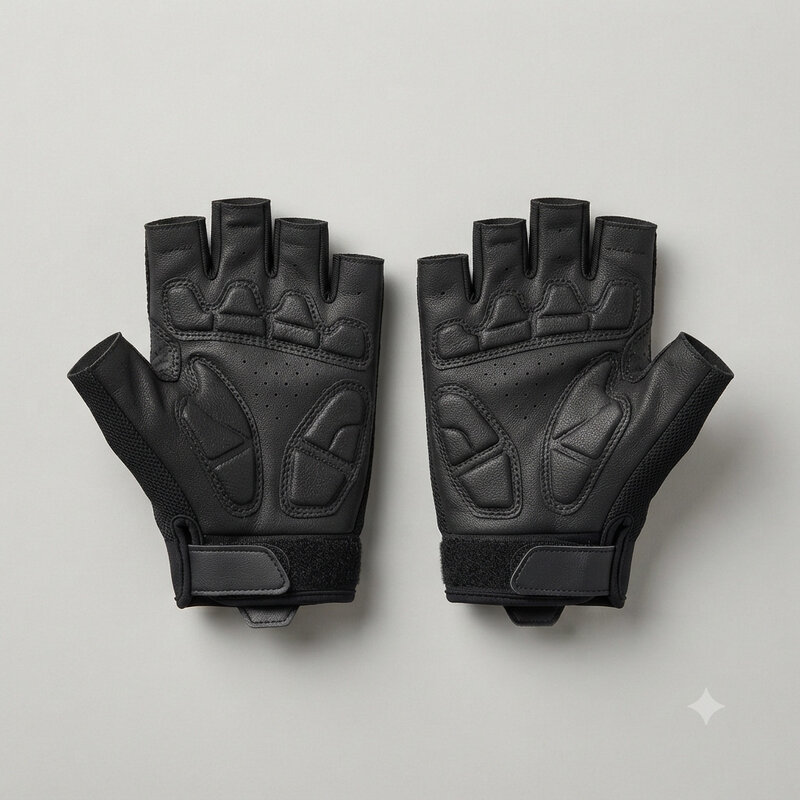
Shooting Range

Shooting Range

Fire handguns or rifles at paper or steel targets under a certified range officer's supervision — a focused, adrenaline-tinged activity that rewards a steady hand and careful technique.