Suggest a new activity

This site is protected by reCAPTCHA and the Google Privacy Policy and Terms of Service apply.

Report a bug

Optional, 1 image up to 5 MB.

This site is protected by reCAPTCHA and the Google Privacy Policy and Terms of Service apply.

Report an error in this activity

This site is protected by reCAPTCHA and the Google Privacy Policy and Terms of Service apply.

Nature Land Art

Nature Land Art

Min number of participants 1
Age 3+ yrs.
Safety support by adult Not required
Min duration 20 min.
Cost None (Free)
Environment Outdoor

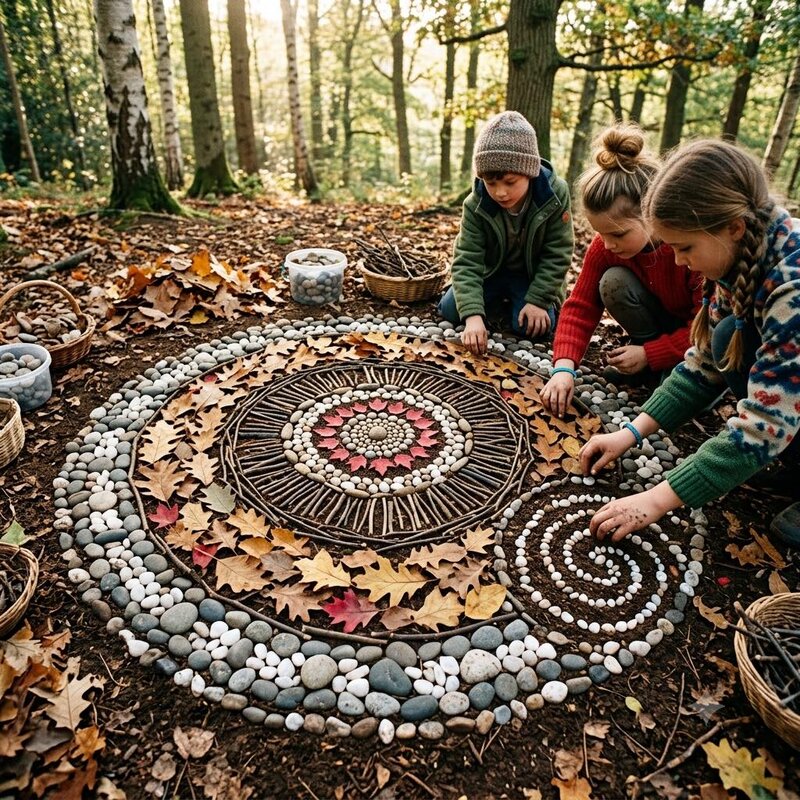
Arrange leaves, stones, petals, and twigs into mandalas, spirals, or animal shapes on the ground — beautiful ephemeral art inspired by Andy Goldsworthy that teaches children to see patterns in the natural world.

The Essentials

Steps

  1. Choose a natural site with a good variety of loose materials nearby, such as leaves, stones, sticks, petals, or shells, since land art depends entirely on what you can gather on location.
  2. Gather only materials that are already detached from living plants or the ground, since picking flowers, bark, or branches off living trees can damage the ecosystem you're working in.
  3. Sketch a rough plan or pattern before placing materials (spirals, mandalas, and gradients by color or size are classic starting points), since land art is easiest to compose when you have a loose structure in mind.
  4. Arrange the materials directly on the ground, water, or another natural surface, working from the center outward or along your chosen pattern.
  5. Photograph the finished piece from multiple angles before leaving, since most land art is intentionally left in place to be reclaimed by nature and the photo becomes the only lasting record.
  6. Leave the site exactly as you found it once your art naturally disperses, taking home any non-natural materials (string, wire, etc.) you may have used to hold pieces together.

Tips

  • Work with color and texture contrast (dark stones against light sand, red leaves against green grass) rather than material scarcity, since contrast is what makes a pattern visually read from a distance.
  • Avoid removing so much material from one spot that it looks stripped or damaged, since land art should leave the site healthier or unchanged, not visibly harvested.
  • Take photos at different times of day, since low-angle sunlight creates shadows that add depth to flat arrangements like leaf mandalas or stone spirals.
  • Involve children by giving them a specific material and shape to focus on, since open-ended "make art" instructions are often less engaging than a concrete starting challenge.
  • Check local park or nature reserve rules before starting, since some protected areas prohibit collecting or rearranging natural materials even temporarily.
Activities

Similar activities (see all)

Report an error in this activity

This site is protected by reCAPTCHA and the Google Privacy Policy and Terms of Service apply.

Balloon Animal Twisting

Balloon Animal Twisting

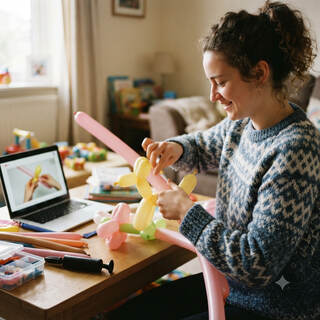
Learn to twist long modelling balloons into dogs, swords, and flowers with a simple online tutorial — a giggly party skill that entertains children and can be mastered in an afternoon.

Report an error in this activity

This site is protected by reCAPTCHA and the Google Privacy Policy and Terms of Service apply.

Friendship Necklace Making

Friendship Necklace Making

String beads, charms, or knotted thread into a matching necklace to keep or give to a best friend — a simple, colorful craft that turns a handful of supplies into a lasting token of friendship.

Report an error in this activity

This site is protected by reCAPTCHA and the Google Privacy Policy and Terms of Service apply.

Giant Bubble Making

Giant Bubble Making

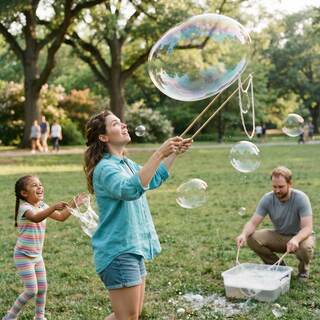
Dipping large wands or loops into bubble solution and sweeping them through the air to blow oversized soap bubbles — a mesmerizing outdoor activity for kids and adults alike.