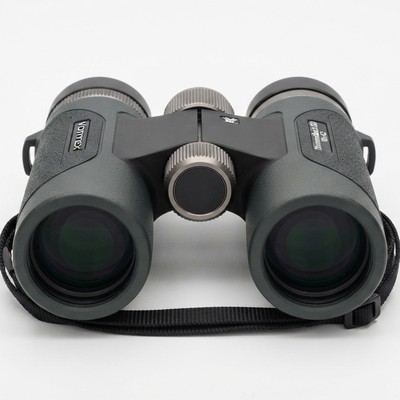
Look for baby birds in spring and early summer, since this is when most species hatch and fledge in temperate climates. Watch quietly from a distance using binoculars rather than approaching a nest directly, since getting too close can cause parent birds to abandon their young or attract predators to the nest's location. Learn to recognize a fledgling, a young bird with short tail feathers that has left the nest but cannot fly well yet, since these birds are normally fine on the ground and do not need rescuing even though they look helpless. Leave baby birds alone if they appear healthy and are not in immediate danger, since parent birds are usually nearby watching and continue to feed fledglings on the ground for several days after they leave the nest. Keep pets indoors or leashed in areas where fledglings are present, since cats and dogs are one of the most common causes of harm to young birds during this vulnerable stage. Contact a licensed wildlife rehabilitator only if a baby bird is clearly injured, featherless, or in immediate danger, rather than attempting to care for it yourself, since young birds have very specific dietary and care needs that are easy to get wrong.