Indoor intellectual activities
353 activities found

Improv Comedy
Perform unscripted scenes with a partner or ensemble by accepting every offer, building on each line, and committing fully to wherever the story goes — improv sharpens quick thinking, active listening, and the ability to recover from the unexpected.
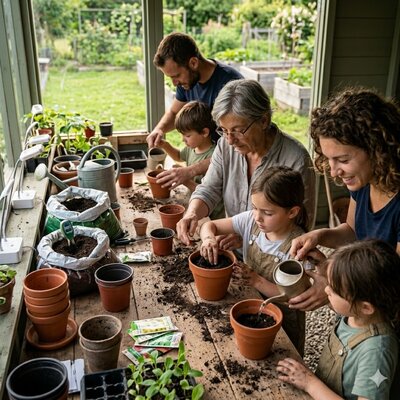
Seed Planting
Fill a pot with soil, press in a seed, water it, and watch life emerge day by day — growing plants teaches patience and responsibility while connecting children to the natural world.
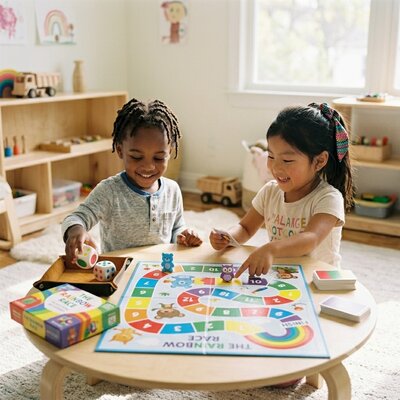
Simple Board Games
Roll dice, draw cards, and race to the finish in beginner-friendly family games — a fun way to teach young children turn-taking, colour matching, counting, and the joy of playing together.

Simple Science Experiments
Mix baking soda and vinegar, grow salt crystals, or make slime from household ingredients — hands-on kitchen science that answers every 'what happens if…?' question and makes the world genuinely exciting.

Slam Poetry
Write and perform original poems before a live audience with expressive voice, rhythm, and emotion — slam poetry is competitive spoken-word performance where delivery matters as much as content, giving poets a powerful public platform.

Soft Block Stacking
Stacking and toppling soft foam or fabric blocks to build spatial reasoning, hand-eye coordination, and the earliest joy of constructing towers — and spectacularly knocking them down.

Sourdough Baking
Cultivate a live starter culture, mix, ferment, shape, and bake crusty loaves with only flour, water, and salt — sourdough baking is part science, part ritual, rewarding attentive practice with bread that has complex flavour and satisfying structure.

Stand-Up Comedy
Write a set of original jokes and material, then perform it live to a room of strangers — stand-up demands writing skill, timing, and nerve in equal measure, with the brutal feedback of silence or laughter teaching more than any other performance art.
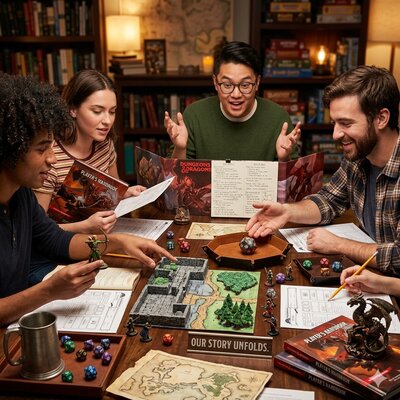
Tabletop RPG
Create characters, explore imaginary worlds, and shape collaborative stories through dice rolls and roleplay — tabletop RPGs like D&D build narrative creativity, social skills, and strategic thinking through shared imagination.