What to expect
Most first-timers do a tandem jump, harnessed to a certified instructor who handles the parachute — no experience or training required. A typical session:
- Arrive at the dropzone and complete a short safety briefing (15-30 minutes).
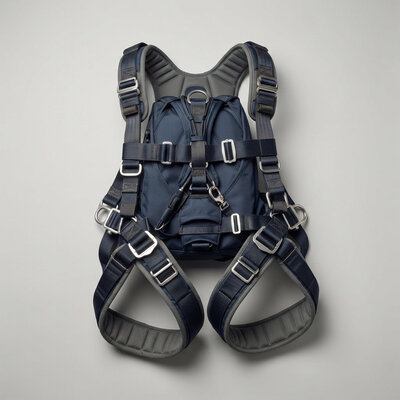
- Get fitted with a harness and board the aircraft, climbing to 3,000-4,500 meters.
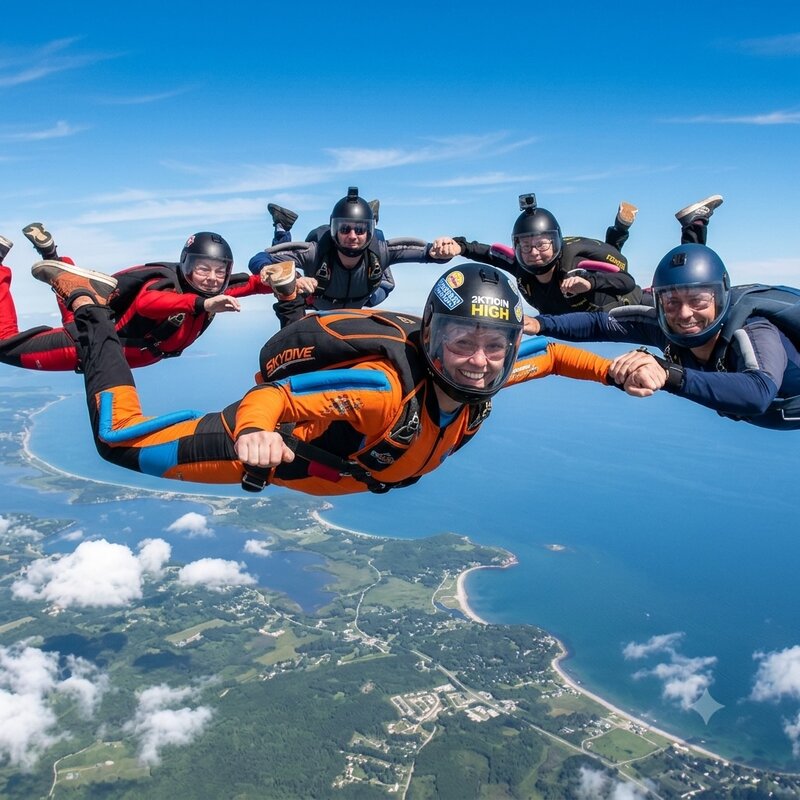
- Exit the plane and freefall for 45-60 seconds at up to 200 km/h.
- The instructor deploys the parachute around 1,500 meters; the ride slows to a gentle glide.
- Steer (or let the instructor steer) toward the landing zone for a soft touchdown, usually feet-first or sliding in on the harness.
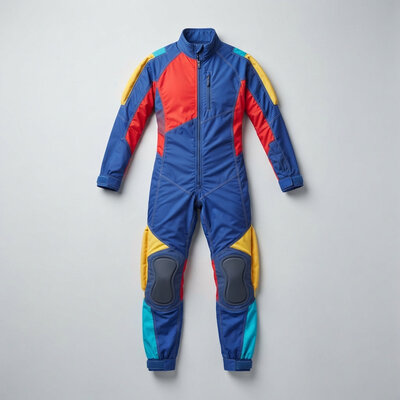
Wear comfortable, closefitting clothing and trainers — nothing loose that could catch in the harness. Most dropzones film the jump on request, so budget extra if you want video/photos.
How long does it actually take?
Freefall itself is under a minute, but budget half a day for the full experience — check-in, gearing up, waiting for your load slot (weather, aircraft traffic, and refuelling can push this back), the jump, and reviewing your video afterward routinely add up to 3-4 hours at the dropzone.
Can you jump solo?
Tandem jumps are always done with an instructor. Jumping alone requires completing a certification course (e.g. AFF/static-line progression) — typically 20-25 supervised jumps over several weeks — before a dropzone will let you go up without one.
Good to know
- Book with a dropzone certified by your country's parachuting federation; check reviews and safety record.
- Weather (wind, cloud cover) can delay or cancel a jump on short notice — build flexibility into your schedule.
- A minimum age (usually 18) and maximum weight limit apply for tandem jumps; check with the operator beforehand.