Suggest a new activity

This site is protected by reCAPTCHA and the Google Privacy Policy and Terms of Service apply.

Report a bug

Optional, 1 image up to 5 MB.

This site is protected by reCAPTCHA and the Google Privacy Policy and Terms of Service apply.

Report an error in this activity

This site is protected by reCAPTCHA and the Google Privacy Policy and Terms of Service apply.

Paint Pouring

Paint Pouring

Min number of participants 1
Age 8+ yrs.
Safety support by adult Not required
Min duration 45 min.
Cost Low
Environment Indoor / Outdoor

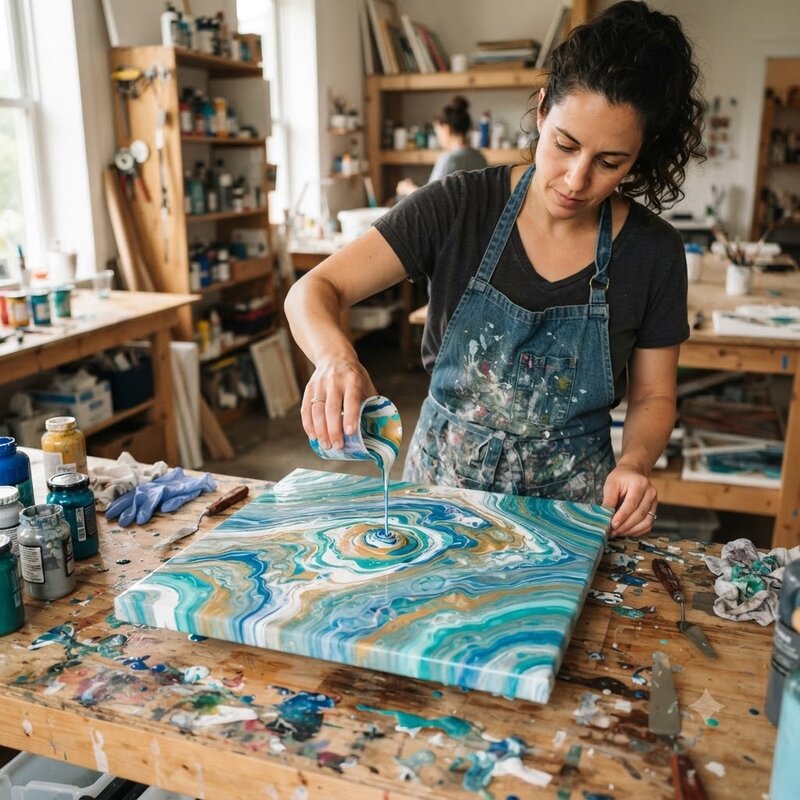
Mix acrylic paints with pouring medium, pour them simultaneously onto a canvas, then tilt and swirl to create dramatic fluid art compositions — satisfying, process-led creativity with striking results.

The Essentials

Rules

  • Mix each paint color with pouring medium to a consistent, honey-like viscosity before combining colors, since paints of different thicknesses cause uneven flows and muddy results.
  • Work on a fully level, protected surface, since paint pouring produces a thin, self-leveling layer that will run off unevenly or pool on one side if the canvas isn't flat.
  • Wear gloves and old clothes, and cover your workspace with plastic sheeting, since pouring paint is inherently messy and splatters travel further than expected once you tilt or torch the canvas.
  • Let the finished piece cure fully undisturbed for the recommended time (often 24-72 hours) before moving or touching it, since the surface can look dry while the layers underneath are still wet.

Tips

  • Use a torch or heat gun briefly over the wet paint to pop air bubbles and create cell patterns, since trapped air bubbles otherwise dry into visible craters in the finished piece.
  • Experiment with pouring techniques like the dirty pour (layering colors in one cup before pouring) or the flip cup, since each technique produces distinctly different patterns worth trying more than once.
  • Add a few drops of silicone oil to individual colors before pouring if you want larger, more defined cells, since silicone separates slightly from the paint as it dries and creates that cratered look.
  • Tilt the canvas slowly and in different directions rather than all at once, since gradual tilting gives you more control over how the colors spread and blend into each other.
Activities

Similar activities (see all)

Report an error in this activity

This site is protected by reCAPTCHA and the Google Privacy Policy and Terms of Service apply.

Themed Costume Party

Themed Costume Party

Pick a theme, dress the part, and let creativity run wild — from decade nights to fantasy worlds, costumes break the ice and spark conversations all evening long.

Report an error in this activity

This site is protected by reCAPTCHA and the Google Privacy Policy and Terms of Service apply.

Terrarium Building

Terrarium Building

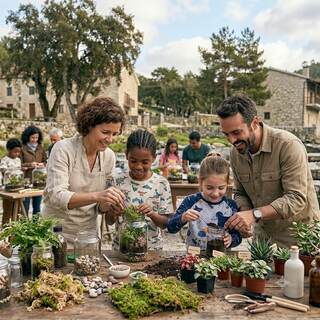
Layering pebbles, soil, moss, and small plants inside a glass jar to create a tiny self-contained garden — a calm, hands-on nature craft that teaches kids about ecosystems while leaving them with a living decoration for their room.

Report an error in this activity

This site is protected by reCAPTCHA and the Google Privacy Policy and Terms of Service apply.

High risk
Encaustic Painting

Encaustic Painting

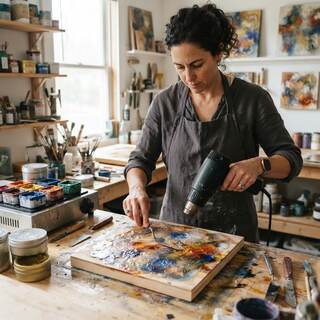
Layer and fuse pigmented molten beeswax onto a rigid panel with a heat gun or torch, building up luminous, textured surfaces that can be polished, incised, or embedded with collage materials.