Suggest a new activity

This site is protected by reCAPTCHA and the Google Privacy Policy and Terms of Service apply.

Report a bug

Optional, 1 image up to 5 MB.

This site is protected by reCAPTCHA and the Google Privacy Policy and Terms of Service apply.

Report an error in this activity

This site is protected by reCAPTCHA and the Google Privacy Policy and Terms of Service apply.

Memory Card Game Making

Memory Card Game Making

Min number of participants 1
Age 8+ yrs.
Safety support by adult Not required
Min duration 40 min.
Cost None (Free)
Environment Indoor / Outdoor

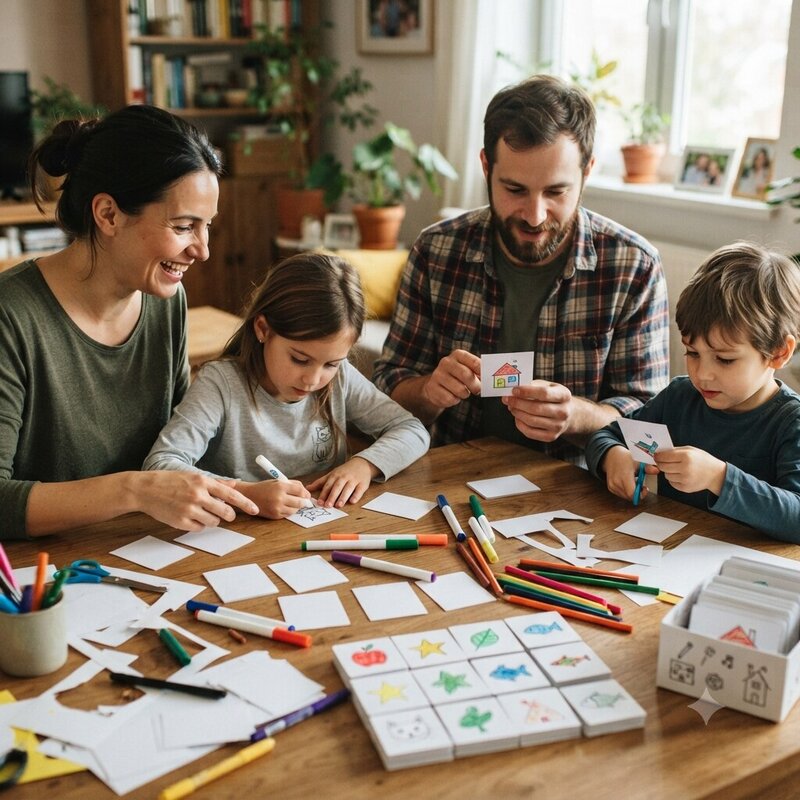
Draw or cut out matching pairs of pictures onto small cards to build your very own memory matching game from scratch. A creative project that turns into a game you and your family can play again and again.
The Essentials

Steps

  1. Decide on a theme for your matching pairs, such as animals, numbers, or family photos, since a clear theme makes card selection easier.
  2. Choose or draw your images, keeping designs simple and bold so they're easy to recognize when cards are flipped quickly.
  3. Print or draw two identical copies of each image, ensuring every card has exactly one matching pair somewhere in the deck.
  4. Cut the images to a uniform card size and mount them on sturdy cardstock or laminate them for durability, especially for cards young children will handle.
  5. Make sure the card backs are completely identical and non-transparent, since any visible difference gives away which card is which.
  6. Test the deck by playing a round yourself, checking that all pairs match correctly and no card is missing its partner.

Tips

  • Start with 12-16 cards (6-8 pairs) for young children and increase the count for older players, since too many cards early on causes frustration rather than fun.
  • Laminate the cards if possible, since young children's hands wear paper cards out quickly through repeated shuffling and flipping.
  • Choose images with clear visual differences between pairs, since similar-looking images make the game confusing rather than challenging.
  • Store the deck in a small bag or box immediately after each use, since loose cards get lost or damaged easily.
  • Consider making multiple themed decks, since kids often lose interest in a single deck faster than expected.

What You Need

Activities

Similar activities (see all)

Report an error in this activity

This site is protected by reCAPTCHA and the Google Privacy Policy and Terms of Service apply.

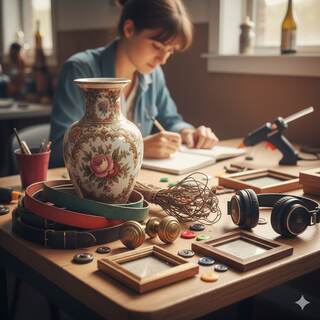
Creative Upcycling Challenge

Creative Upcycling Challenge

Buy cheap thrift-store items and challenge yourself to transform them into something beautiful or functional using paint and your imagination — creative upcycling that costs almost nothing.

Report an error in this activity

This site is protected by reCAPTCHA and the Google Privacy Policy and Terms of Service apply.

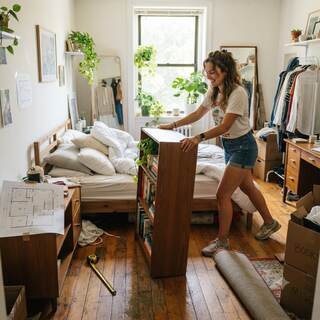
Room Reorganizing

Room Reorganizing

Move your furniture around, try new layouts, and make your room feel brand new. Rearranging your own space is a fun summer project that lets you plan, measure, and create a room that feels totally yours.

Report an error in this activity

This site is protected by reCAPTCHA and the Google Privacy Policy and Terms of Service apply.

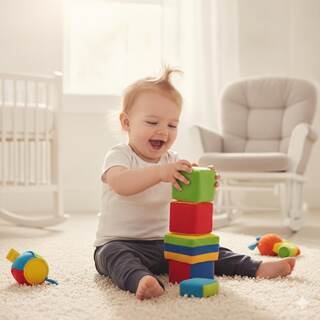
Soft Block Stacking

Soft Block Stacking

Stacking and toppling soft foam or fabric blocks to build spatial reasoning, hand-eye coordination, and the earliest joy of constructing towers — and spectacularly knocking them down.